Quick Answer
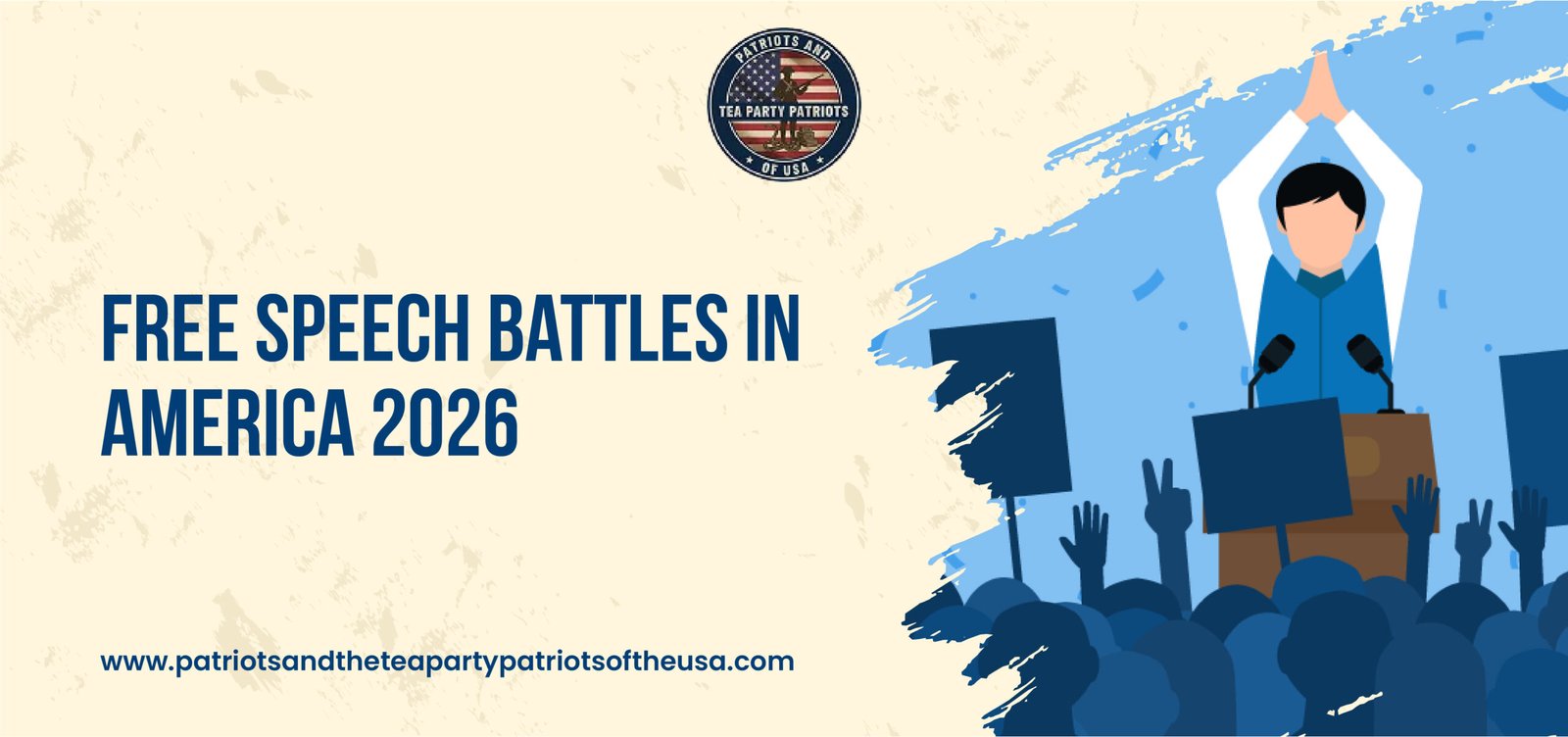
Free speech debates in America in 2026 focus on issues such as social media moderation, online expression, protest rights, campus speech policies, government involvement in digital communication, and court rulings involving the First Amendment. As technology continues changing how people communicate, courts and lawmakers are increasingly asked to determine how constitutional speech protections apply in modern settings.
TL;DR
Free speech remains a major topic of debate in America, especially as more communication happens online. Current discussions involve social media policies, protest rights, campus expression, and how the government interacts with digital platforms. While the First Amendment provides broad protections for speech, courts continue addressing new questions created by technology and changing public expectations. Understanding these debates can help citizens better follow legal developments and know how free speech rights apply in today’s world.
Why Free Speech Matters in American Democracy
Free speech is one of the foundational principles of the United States.
The First Amendment protects:
- Freedom of speech
- Freedom of religion
- Freedom of the press
- Freedom of assembly
- The right to petition the government
These protections help citizens:
- Share opinions
- Participate in public debate
- Challenge government policies
- Engage in political activism
Many constitutional scholars consider free expression essential to maintaining an informed and active democracy.
The Biggest Free Speech Debates in 2026
Several issues dominate free speech discussions in 2026.
Social Media Content Moderation
Questions continue about:
- Platform content policies
- Account suspensions
- Content removal decisions
- Algorithmic influence on public discussion
Government and Technology
Debates involve:
- Government communication with platforms
- Regulation of online content
- Digital speech protections
Public Demonstrations
Free speech discussions also involve:
- Protest rights
- Public assembly
- Political expression
- Public safety concerns
These issues often generate legal challenges and constitutional disputes.
Social Media, Technology, and Free Speech
The internet has transformed how people communicate.
Many free speech debates now focus on:
- Social media platforms
- Online communities
- Digital communication
- Artificial intelligence moderation systems
One major question is whether large digital platforms should have broad authority to moderate content or whether additional legal protections for online speech should exist.
Another issue involves government interaction with private technology companies and whether those relationships affect constitutional speech protections.
These debates continue evolving as technology changes.
Stay informed on the latest constitutional debates and political developments with Conservative News Today and follow the stories shaping free speech and individual rights in America.
Recent Court Cases Affecting Free Speech Rights
Courts play a critical role in defining the limits of constitutional speech protections.
Recent cases involve:
- Online expression
- Political speech
- Public protests
- Government regulation
- Digital communication
Judges often evaluate:
- Constitutional precedent
- Government interests
- Individual rights
- Public safety concerns
Court rulings frequently shape how free speech protections apply to emerging technologies and modern communication platforms.
Can the Government Limit Free Speech?
Although free speech protections are broad, they are not unlimited.
Courts have recognized exceptions involving:
- True threats
- Defamation
- Fraud
- Certain forms of obscenity
- Incitement to imminent unlawful action
When governments attempt to regulate speech, courts generally apply strict constitutional scrutiny.
This helps ensure that restrictions do not unnecessarily violate First Amendment protections.
Campus Free Speech and Academic Freedom
Universities remain a major focus of free speech debates.
Common issues include:
- Guest speakers
- Student protests
- Academic freedom
- Campus expression policies
- Viewpoint diversity
Colleges often face challenges balancing:
- Open discussion
- Student safety
- Institutional policies
- Educational goals
Because universities serve as important centers for public discourse, campus speech issues often receive national attention.
The Role of the First Amendment in Modern America
The First Amendment remains the primary constitutional protection for free expression.
It influences legal debates involving:
- Political speech
- Religious expression
- Journalism
- Social media
- Public demonstrations
- Government regulations
Courts continue interpreting how these protections apply to modern technologies and changing forms of communication.
As society evolves, First Amendment questions continue reaching courts at every level.
How Citizens Can Protect Free Speech Rights
Citizens can help support free expression by:
- Learning about constitutional rights
- Following important court cases
- Participating in public discussions
- Respecting lawful expression
- Staying informed about legislation
- Engaging in civic activities
An informed public plays an important role in protecting constitutional freedoms and encouraging open debate.
Common Questions About Free Speech in 2026
Is free speech under threat?
Opinions differ, but many ongoing legal and political debates focus on how free speech should be protected in modern society.
Does the First Amendment apply online?
Yes, but courts continue examining how constitutional protections interact with digital platforms and private companies.
Can social media platforms remove content?
Generally, private platforms can enforce their own content policies, though this remains a topic of significant debate.
What speech is not protected?
Threats, fraud, defamation, and certain other categories may receive limited constitutional protection.
Why do courts matter?
Courts determine how constitutional rights apply to modern legal disputes and establish precedents that shape future cases.
Final Thoughts
Free speech battles in America in 2026 reflect broader questions about technology, government authority, individual liberty, and public discourse.
Whether the debate involves social media moderation, campus expression, protest rights, or constitutional litigation, the First Amendment continues serving as one of the most important protections in American law.
Understanding these issues helps citizens stay informed about how constitutional freedoms are interpreted and protected in a rapidly changing world.