Quick Answer
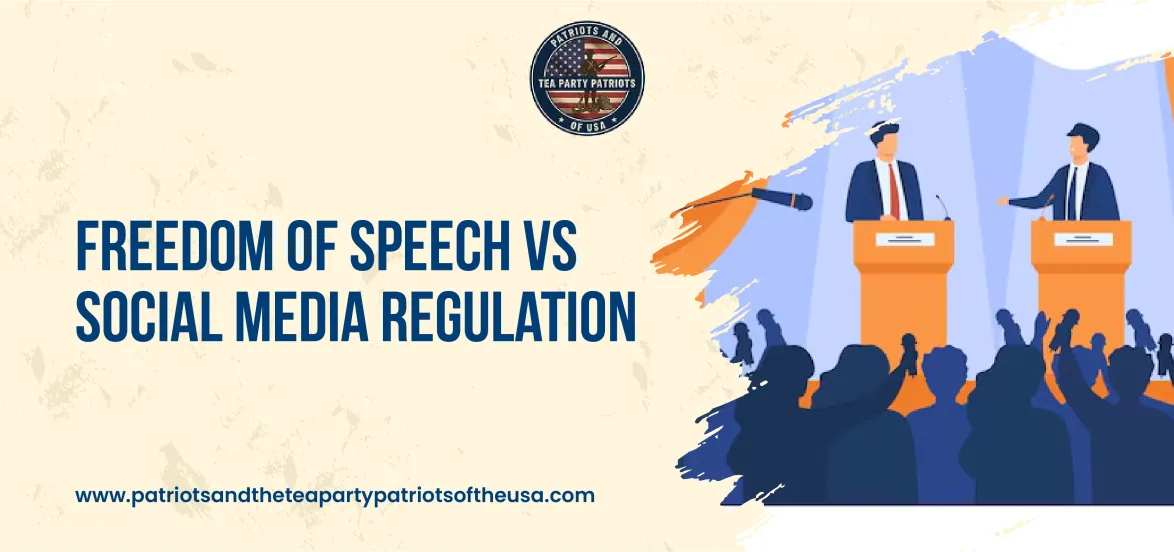
Freedom of speech and social media regulation are closely related but fundamentally different concepts. In the United States, the First Amendment generally protects individuals from government restrictions on expression. Social media platforms, however, are private companies that establish and enforce their own content policies. The ongoing debate focuses on how to balance free expression, user safety, platform accountability, and government oversight in the digital age.
TL;DR
Many people assume free speech works the same way online as it does in public spaces, but the issue is more complicated. The First Amendment generally protects speech from government restrictions, while social media platforms set their own rules about what content is allowed on their services. This creates ongoing debates about fairness, censorship, user rights, and platform responsibility. Understanding the difference can help you better navigate discussions about online speech, content moderation, and the future of digital communication.
What Is Freedom of Speech?
Freedom of speech is the right to express opinions, ideas, and beliefs without undue government interference.
In the United States, this protection comes primarily from the First Amendment.
Free speech protections generally cover:
- Political expression
- Religious viewpoints
- Public debate
- Peaceful protest
- Freedom of the press
However, free speech is not unlimited. Certain categories of speech may be restricted under specific legal circumstances.
Understanding these protections is essential when discussing speech rights in the digital era.
What Is Social Media Regulation?
Social media regulation refers to the laws, policies, and rules that influence how online platforms operate and manage user content.
Regulation can involve:
- Content moderation policies
- User safety standards
- Privacy protections
- Transparency requirements
- Consumer protection measures
It may come from governments, courts, regulatory agencies, or platform operators themselves.
As social media becomes increasingly influential, discussions about regulation continue to grow.
Does Freedom of Speech Apply on Social Media?
This is one of the most frequently misunderstood aspects of the debate.
Government Restrictions
The First Amendment generally limits government action rather than the actions of private companies.
Private Platforms
Social media companies typically have the authority to establish and enforce community standards and terms of service.
Ongoing Legal Questions
Courts and lawmakers continue examining questions about platform power, content moderation, and digital communication.
As a result, the relationship between constitutional rights and online platforms remains an evolving area of law and policy.
Why Do Social Media Platforms Moderate Content?
Most platforms use content moderation to manage user behavior and maintain platform standards.
Common reasons include:
User Safety
Spam Prevention
Reducing harassment, threats, and harmful behavior.
Protecting users from scams, automated abuse, and unwanted content.
Community Standards
Maintaining platform rules and user expectations.
Legal Compliance
Meeting legal obligations in different jurisdictions.
Supporters argue moderation helps maintain healthy online communities, while critics sometimes raise concerns about fairness and consistency.
Want to better understand how constitutional protections apply in today’s world? Read our Constitutional Rights USA guide to learn about the rights, freedoms, and legal principles that continue to shape American society.
The Social Media Censorship Debate
The debate over online speech often centers on whether content moderation limits free expression.
Concerns Raised by Critics
Critics may argue that:
- Moderation decisions can be inconsistent.
- Large platforms have significant influence over public discussion.
- Certain viewpoints may receive unequal treatment.
Arguments Supporting Moderation
Supporters often argue that:
- Platforms need tools to address harmful content.
- User safety requires enforcement of community standards.
- Moderation can help reduce abuse and misinformation.
The debate remains active among policymakers, legal scholars, technology companies, and users.
Government Regulation of Social Media
Governments around the world continue exploring different approaches to regulating online platforms.
Areas frequently discussed include:
Transparency
How platforms explain moderation decisions.
Privacy Protection
How user information is collected and managed.
Competition
Concerns regarding market dominance and platform influence.
Consumer Rights
Protecting users from deceptive practices.
Proposals vary widely depending on legal systems, political priorities, and public concerns.
Major Legal Questions and Court Challenges
Several legal questions continue shaping discussions about social media and free speech.
Common issues include:
- Government interaction with platforms
- Content moderation authority
- User rights online
- Platform liability
- Constitutional protections in digital spaces
Court decisions may influence how governments, platforms, and users interact in the future.
How Social Media Regulation Impacts Users
For everyday users, social media regulation can affect:
Content Visibility
What information appears in feeds and search results.
Account Access
How platforms enforce rules and moderation decisions.
Privacy Rights
How personal data is collected, stored, and shared.
Online Communication
The overall environment for public discussion and expression.
These issues directly influence how people engage with information online.
Arguments For and Against Social Media Regulation
Arguments Supporting Regulation
Supporters often argue regulation can:
- Improve transparency
- Increase accountability
- Protect user privacy
- Promote consumer rights
- Reduce harmful conduct
Arguments Against Regulation
Opponents may argue regulation could:
- Affect free expression
- Increase government involvement in speech-related issues
- Create compliance burdens
- Limit innovation
Balancing these competing concerns remains a major policy challenge.
Frequently Asked Questions
Does the First Amendment apply on social media?
The First Amendment generally protects against government restrictions on speech, while private platforms establish their own content policies.
Can social media companies remove content?
Yes. Most platforms can enforce their terms of service and community guidelines.
Is content moderation the same as censorship?
Not necessarily. Content moderation usually refers to platform enforcement of rules, while censorship often refers to restrictions on expression, particularly by governments.
Should social media platforms be regulated?
This remains an ongoing public policy debate with arguments on multiple sides.
How do social media regulations affect users?
They can influence content visibility, privacy protections, moderation policies, and overall online experiences
Final Thoughts
The debate over freedom of speech and social media regulation is likely to remain one of the most important public policy discussions of the digital era.
As online platforms continue shaping communication, information sharing, and public debate, questions about free expression, moderation, privacy, and accountability will remain highly relevant.
Understanding the distinction between constitutional speech protections and platform rules provides a stronger foundation for evaluating these complex and evolving issues.